Why Hardware Selection Decides the Lifespan of Interior Projects?
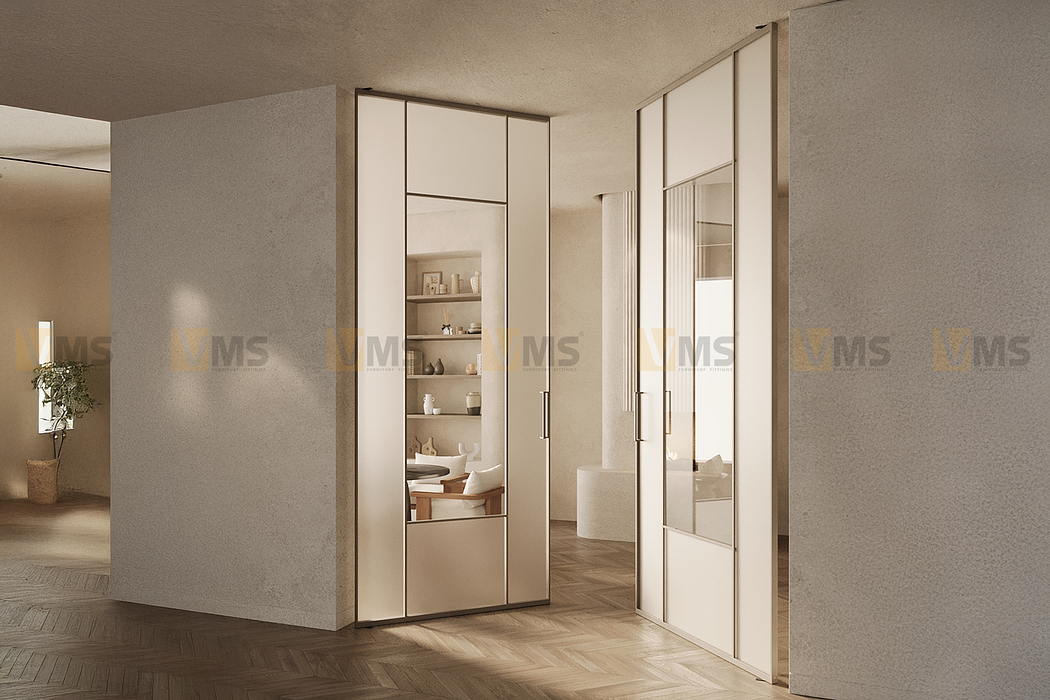
Surface, colour, and layout are usually considered during interior projects; however, the effectiveness of any interior lies in the layers beneath the surface. Hardware specifies the mode of operation of an interior, its ageing, and its functionality. Making the right choice of hardware can make even the best-designed space long-lasting, whereas the wrong choice can make it even shorter-lived.
Why Hardware Is the Backbone of Interior Design
The functional foundation of all interior projects is architectural hardware. Hinges, channels, fittings, and support systems handle day-to-day movement and load.
A lack of robust hardware compromises the durability of interior design. All the doors opening, all the drawer movements, and all the sliding of partitions will rely on the work of hardware. The quality of these components directly influences long-term reliability because they are used daily.
The Direct Link Between Hardware Quality and Durability
Durable hardware is designed to withstand continuous use and wear and tear, particularly in high-traffic areas. Kitchens, offices, and bathrooms are places that depend on moving parts.
Poor-quality fittings cannot hold up and undermine long-lasting interior solutions. With time, these fittings lose their alignment, become noisy and rupture under pressure.
How Low-Quality Hardware Shortens Project Life
Inefficient hardware often leads to premature failure. The frequent breakdowns lead to daily inconvenience and frequent replacements.
These failures increase interior maintenance issues. Misalignment, noise, and poor performance are the order of the day. Continuous repairs cause damage to surrounding materials and shorten the overall lifespan of the interior project.
Material Selection Plays a Critical Role
Hardware performance requires selecting the appropriate material. Aluminium and stainless steel fittings are widely used because they are strong and resistant to environmental stress.
Why Aluminium Is Preferred in Modern Interiors
Aluminium profiles are commonly used because they offer lightweight strength and clean lines. Aluminium is one of the strongest and most reliable modern interior materials, and it is not bulky. It provides both design flexibility and structural stability.
Corrosion Resistance and Structural Stability
Hardware performance is affected by moisture and humidity. Corrosion-resistant hardware is used to prevent rust and surface damage, especially in the kitchen and bathrooms.
Precision Engineering and Manufacturing Quality
High-quality interiors rely on precision-engineered hardware. Close tolerances are used to provide movement and alignment.
There is consistency in the installation of premium hardware systems. The components have a perfect fit, which minimises friction and uneven load distribution. This precision enhances performance and extends the lifespan of interior elements.
Installation Quality Affects Long-Term Performance
The best hardware does need hardware installation. Due to improper fitting, there is an uneven load distribution and early wear.
The interior fitting quality is good, providing proper alignment and stable support. The main factors in performance maintenance are professional installation. Qualified installers understand the load capacity and movement requirements, eliminating future problems.
High-Use Areas Where Hardware Matters the Most
Specific spaces place higher demands on hardware. Periods with a high volume of traffic inside the building need to be fitted with durable materials suitable for continuous use.
Commercial interior hardware is used in kitchens and storage systems that carry heavy loads and undergo repeated movement. Sliding doors and partitions use smooth hardware systems for day-to-day use.
Maintenance Frequency as a Measure of Hardware Quality
Maintenance requirements represent hardware performance. Low-maintenance hardware requires fewer service visits and adjustments.
Minimal interior maintenance implies minimal disruptions and minimised expenses. Quality hardware ensures synchronisation and smooth operation, reducing the need for repairs and replacements.
Long-Term Cost Benefits of Choosing the Right Hardware
Lifecycle cost evaluation helps make better decisions. Although better hardware can be more expensive in the short term, it has superior performance in the long run.
A long-term investment in interior assets reduces replacement and maintenance costs. Long-life hardware guarantees steady performance, making it an economical option in the long term.
Building Interiors That Last with Smart Hardware Choices
Good interiors start with sound interior design principles. Early hardware choices impact performance, comfort, and durability.
Intelligent interior design focuses on functionality rather than looks. Purchasing the appropriate hardware will guarantee the installation of interiors that are functional and of good quality.


Comments
Post a Comment